

LCE Solution: Official ECITB Licensed Provider for Flange Management & Mechanical Joint Integrity Training in Thailand.
LCE Solution: ผู้ให้บริการฝึกอบรมหลักสูตร Flange Management และ Mechanical Joint Integrity ที่ได้รับการรับรองอย่างเป็นทางการจาก ECITB ในประเทศไทย Stage 1 - 4
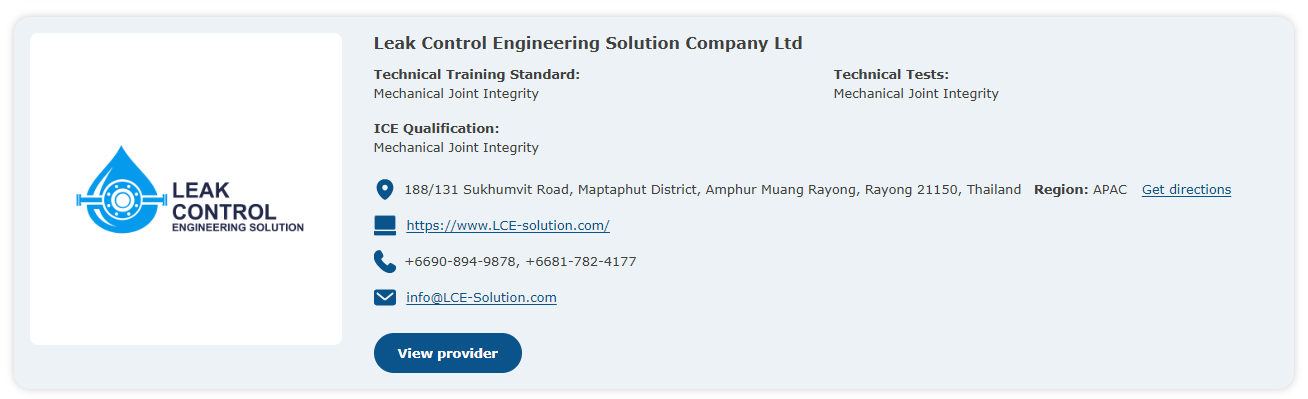

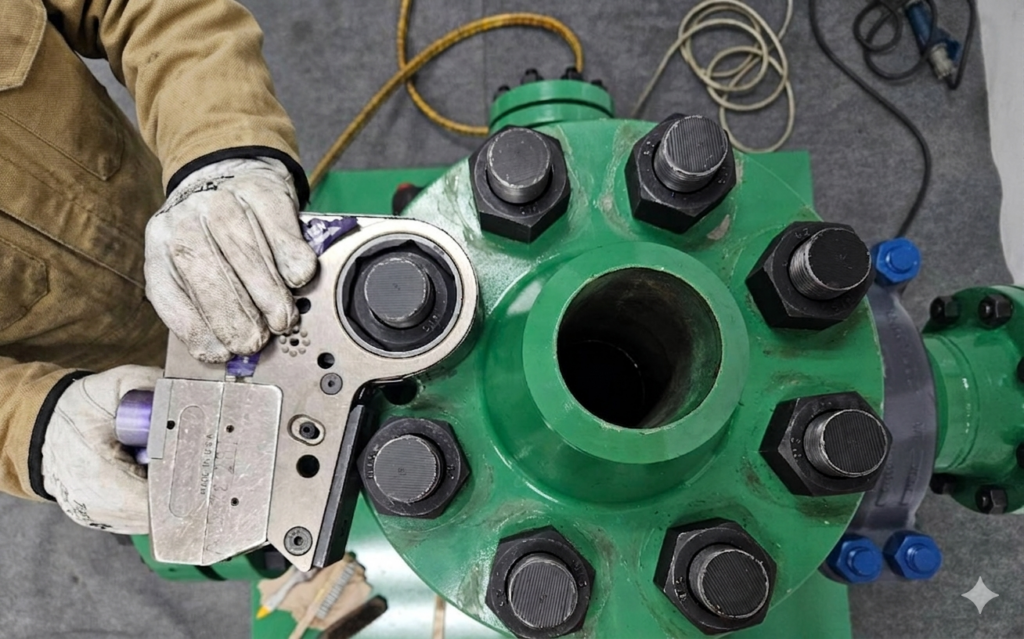
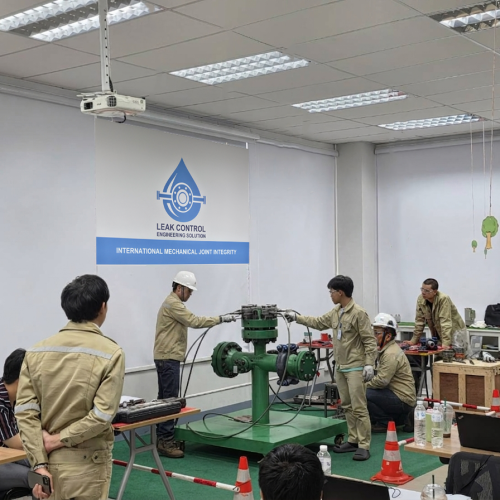
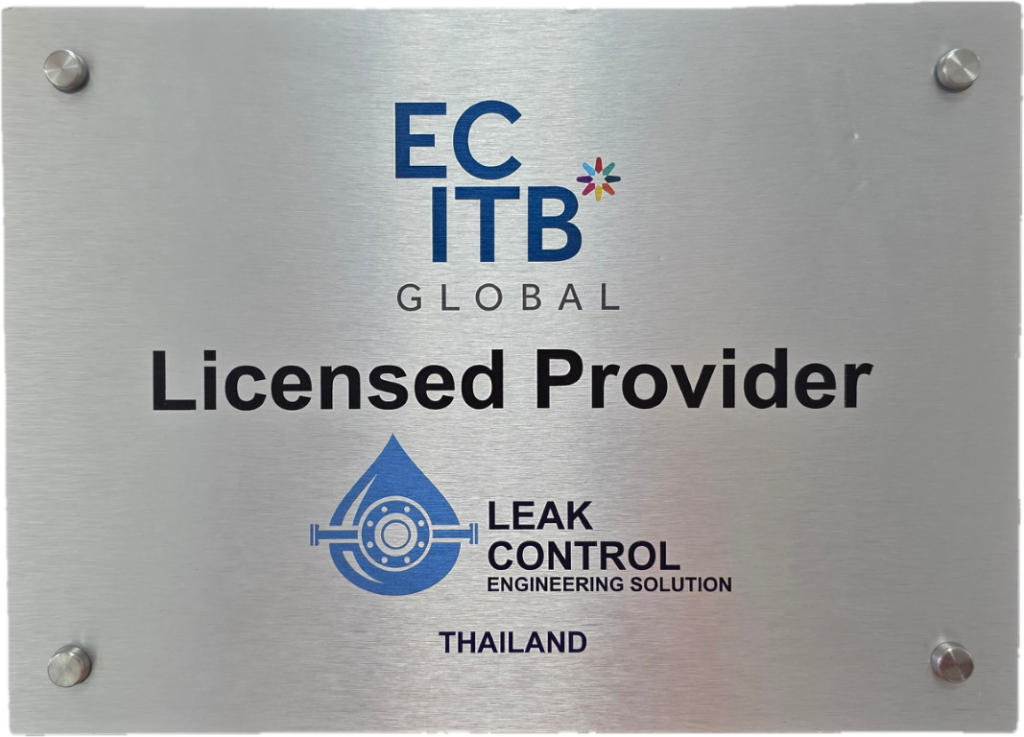
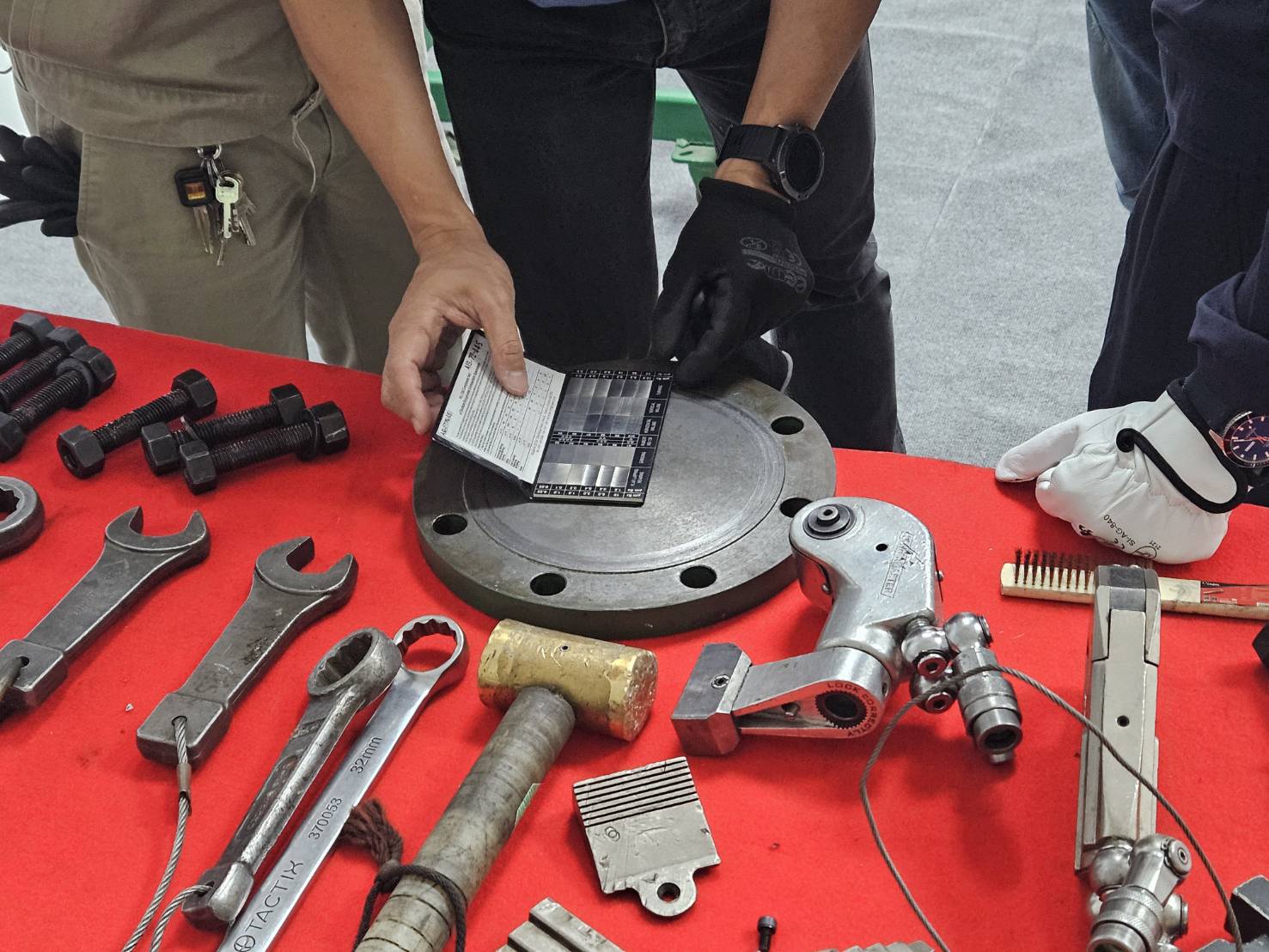
Flange Joint Management, Controlled Bolting, Zero Leak Engineering, ASME PCC-1 Training, ECITB MJI, Shutdown & Turnaround Supervision ( ECITB ASME Flange Management Course Thailand )
การจัดการรอยต่อหน้าแปลน (Flange Joint Management), บริการขันแน่นโบลท์ (Controlled Bolting), ควบคุมการรั่วไหล (Leak Control), อบรมมาตรฐาน ASME PCC-1, อบรม ECITB (MJI),

Course : ECITB
(Engineering Construction Industry Training Board) Mechanical Joint Integrity (MJI)
Course : ASME PCC-1
(American Society of Mechanical Engineers) Joint Integrity and Flange Management per ASME PCC-1-2022
Professional Flange Joint Management Training
At Leak Control Engineering Solution (LCE), our specialized flange joint management training provides technicians and engineers with the exact technical skills required to eliminate industrial leak risks. This dedicated program covers all aspects of joint integrity inspection and execution.
Key Learning Outcomes :